Hand Sanitisers and Skin Barrier Function
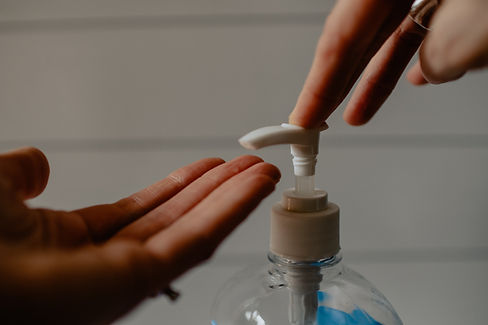
The widespread adoption of frequent hand sanitiser use during the COVID-19 pandemic produced an unintended side effect: a wave of clinical reports of hand dermatitis, barrier disruption, and skin sensitivity in healthcare workers and the general public. This page summarises what the research suggests about how hand sanitisers interact with skin, and what gentler formulations attempt to do differently.
How alcohol-based sanitisers work
Most commercial hand sanitisers rely on ethanol or isopropanol at concentrations of 60 to 80 percent. At these concentrations, alcohol disrupts the membranes of bacteria and many viruses, producing rapid germicidal effect.
The alcohol then evaporates, leaving the hands dry.
The same evaporation is the underlying cause of barrier disruption with frequent use.
Each application removes water and some lipid content from the stratum corneum, and over many applications per day the cumulative effect can be substantial. Healthcare workers, who may apply hand sanitiser dozens of times per shift, are particularly affected.

What gentler formulations attempt
Formulations marketed as gentle or skin-friendly typically address barrier disruption in one of two ways.
First, by including humectants such as glycerin or aloe vera juice that retain water in the upper skin layers as the alcohol evaporates.
Second, by including emollients or light occlusives that compensate partially for lipid loss.
These additions do not change the germicidal efficacy of the alcohol significantly when present at modest concentrations, but they do reduce the per-application barrier impact.
Over many applications per day, the cumulative difference can be meaningful for skin tolerance.
When hand washing is better
Public health guidance is consistent: when hands are visibly soiled, washing with soap and water is preferred to sanitiser.
For routine use between hand washes, sanitiser is generally appropriate. For people with active hand dermatitis, prioritising soap-and-water washing followed by an emollient is usually better tolerated than sanitiser use.


When to Seek Additional Guidance
This page is part of a small editorial archive on skincare science. It is not medical advice. Anyone considering changes to a skincare regimen should consult a registered medical practitioner.